
精选百科
本文由作者推荐

经典语法
经典语法
简介

经典语法
1. 定义:用作表语的从句叫做表语从句。2. 构成:关联词+简单句
3. 引导表语从句的关联词的种类:
(1) 从属连词that。如:
The trouble is that I have lost his address. 麻烦是我把他的地址丢了。
(2) 从属连词whether, as, as if。如:
He looked just as he had looked ten years before. 他看起来还与十年前一样。
The question is whether they will be able to help us. 问题是他们是否能帮我们。
注:从属连词if一般不用来引导表语从句,但as if却可引导表语从句,如:
All this was over twenty years ago, but it’s as if it was only yesterday.
这都是20多年前的事了,但宛如昨天一样。
能跟表语从句的谓语动词一般为系动词be, seem, look等。如:
It looked as if it was going to rain. 看起来天要下雨了。
(3)连接代词who, whom, whose, what, which, whoever, whatever, whichever
连接副词 where, when, how, why。
如:The problem is who we can get to replace her. 问题是我们能找到谁去替换她呢。
The question is how he did it. 问题是他是如何做此事的。
That was what she did this morning on reaching the attic. 那就是她今晨上了阁楼干的。
解释:
1. 连词because可引导表语从句。如:
I think it is because you are doing too much. 我想这是因为你做得太多。
2. 在一些表示“建议、劝说、命令”的名词后面的表语从句中,谓语动词用虚拟语气。should+动词原形表示,should可省略。如:
一.语气的定义和种类。
1 语气(mood)
语气是动词的一种形式,表示说话人对某一行为或事情的看法和态度。
2 语气的种类
a. 陈述语气:表示动作或状态是现实的、确定的或符合事实的,用于陈述句、疑问句和某些感叹句。如:
There are two sides to every question.每个问题都有两个方面。
Were you busy all day yesterday?昨天一整天你都很忙吗?
How good a teacher she is!她是多好的一位老师啊!
b. 祈使语气:表示说话人对对方的请求或命令。如:
Never be late again!再也不要迟到了。
Don’t forget to turn off the light.别忘了关灯。
c. 虚拟语气:表示动作或状态不是客观存在的事实,而是说话人的主观愿望、假设或推测等。如:
If I were a bird, I could fly in the air.如果我是一只小鸟,我就能在空中飞行。
I wish I could pass the examination.我希望我能通过考试。
May you succeed!祝您成功!
二.虚拟语气在条件从句中的用法。
条件从句有两类,一是真实条件句,另一是虚拟条件句。如果假设的情况可能发生,是真实条件句,这种情况下谓语用陈述语气。如:
If time permits, we’ll go fishing together.如果时间允许,我们就一起去钓鱼。
如果假设的情况是不存在的或不大可能发生的,则是虚拟条件句。如:
If you had come yesterday, you would have met that famous professor.如果你昨天来,你就会见到那位著名的教授了。
(隐含的事实是:你昨天没来,也没见到那位著名教授)。
在含有虚拟条件句的复合句中,主从句的谓语都要用虚拟语气,现将其形式列表如下:
动词形式 时间
从句
主句
与现在事实相反
动词过去式(be的过去式用were)
would(could/should/might)+动词原形
与过去事实相反
had+动词过去分词
would(could/should/might)+have过去分词
与将来事实可能相反
动词过去式
should+动词原形
were to+动词原形
would(could/should/might)+动词原形
注:主句中的should只用于第一人称,但在美国英语中,should常被would代替;从句中的should可用于各种人称。
1.表示与现在事实相反的假设和结果。如:
If I were you, I should(would ,could, might)tell him the truth. 要是我是你,我就会告诉他真相了。(事实上我不是你)
If she had time, she would(could, might)help me.如果她有时间,她就会帮我了。(事实上她没有时间)
2 表示与过去事实相反的假设和结果。如:
If I had known your telephone number yesterday, I should(would, could, might)have telephoned you.如果昨天我知道了你的电话号码,我就会给你打电话了。(事实上我昨天不知道你的电话号码。)
If you had taken my advice, you wouldn’t(couldn’t) have failed in the exam.如果你听了我的建议,你就不会考试不及格。(事实上你根本没听我的。)
3 表示与将来事实可能相反的假设和结果。如:
If it should rain, the crops would(could, might)be saved.假如天下雨,庄稼可能就收获了。
---What would happen if I put the paper on the fire?
---It would burn.
---我若把只放在火上会怎么样?
My suggestion is that we (should) start early tomorrow. 我的建议是我们明天一早就出发。文字
其他相关领域
文化科技人文烹饪 钓鱼 休闲娱乐计算机网络军事 国防
经典语法相关的文章

菊亚族学名Chrysantheminae O. Hoffm,春黄菊族植物,花托无托毛或有托毛,但绝无托片。它的下级分类有亚菊属,画笔菊属,木茼葶属,短舌菊属,小甘菊属,石胡荽属,筒蒿属,鞘冠菊属等。
鲁霍拉·穆萨维·霍梅尼(1902年9月22日-1989年6月3日),男,伊朗什叶派宗教学者(大阿亚图拉),伊斯兰革命的政治和精神领袖。
唐朝(英语TangDynasty,公元618年—公元907年),也是继隋朝后的又一个统一的中原政权。唐朝共计二百八十九年,共经历二十一位皇帝统治。唐朝在中国历史上具有独特地位。其是封建时代国力最为强盛,统治时间最为悠久的王朝之一。唐朝疆域辽阔,国境内民族众多相处和谐。
普法战争(英语:Franco-Prussian War),在法国称1870年法德战争(法语:Guerre franco-allemande de 1870),在德国称德法战争(德语:Deutsch-Französischer Krieg),是普鲁士王国为了统一德国,并与法兰西第二帝国争夺欧洲大陆霸权
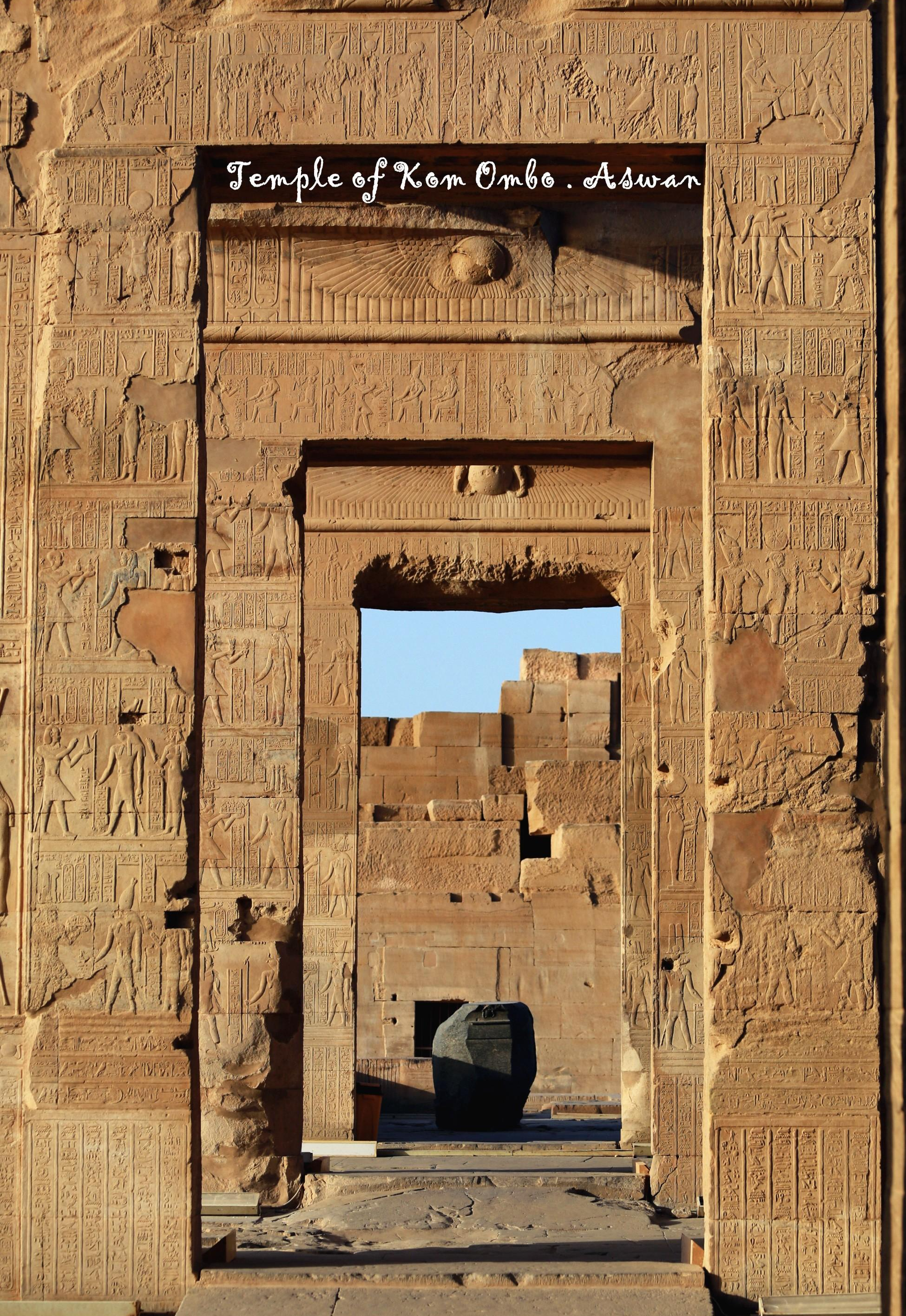
阿斯旺(阿拉伯语:أسوان),埃及南部城市,阿斯旺省首府,位于尼罗河东岸,人口约20万,著名古城、旅游景点和贸易中心。阿斯旺是世界上最干燥的地方之一,自2006年5月13日以来,阿斯旺没测得任何降水。在古埃及时期,阿斯旺被认为是埃及民族的发源地。它位于尼罗河第一瀑布以北,是埃及和努比亚之间的贸易重镇,其名据说是古埃及语“贸易”一词的对音。

尚可名片
这家伙太懒了,什么都没写!
作者