潘毅群,女,同济大学教授、博士生导师,中德工程学院副院长。1992年毕业于同济大学机械学院供热、供燃气、通风与空调工程专业,获学士学位。1997年毕业于同济大学机械学院供热、供燃气、通风与空调工程专业,硕博连读,获工学博士学位。现为同济大学教授,博士生导师,同济大学中德工程学院副院长
精选百科
本文由作者推荐
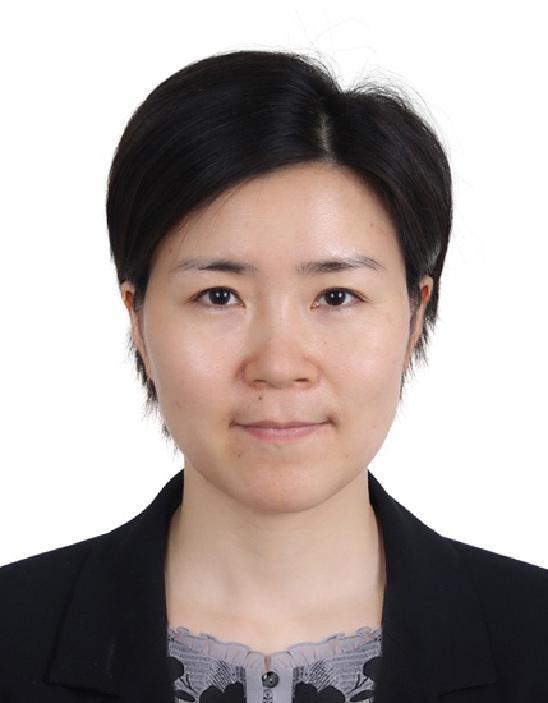
潘毅群
同济大学教授
中文名
潘毅群
性别
女
国籍
中国
毕业院校
同济大学
职业
教师
所属行业
教育
主要成就
2005年9月-12月在德国Erfurt应用科技大学任访问学者
工作经历
1997年至今,同济大学工作,先后在经济管理学院任讲师、高等技术学院任副教授、中德工程学院任教授
1998年9月-12月在香港理工大学屋宇设备工程系任科研助理
2002年1-12月在美国卡内基梅隆大学建筑性能与诊断中心任访问学者
2005年9月-12月在德国Erfurt应用科技大学任访问学者
学术团体
上海市制冷学会会员
美国暖通工程师学会(ASHRAE)会员
美国机械工程师学会(ASME)会员
国际建筑性能仿真学会(IBPSA)会员
研究方向:建筑模拟与仿真、绿色建筑技术
研究成果
主持三十多项纵向和横向科研课题,发表论文四十余篇,被SCI收录5篇(第一作者4篇),EI收录15篇(第一作者12篇),主编教材2本(共45万字),参编专业书籍2本。指导硕士研究生24名,已毕业14名。主要研究项目(主持)包括:中美清洁能源合作项目(美国国际开发署);西门子EEC软件汉化(德国西门子公司);EnergyPlus中文界面开发(美国劳伦斯伯克莱国家实验室);上海大型购物中心原型能耗模型构建与模拟(美国劳伦斯伯克莱国家实验室);住房城乡建设系统应对气候变化的低碳技术研发与应用合作研究——中国低碳建筑技术的应用研究(国家科技部,第二负责人);利用合同能源管理模式推动既有建筑节能改造政策研究(美国能源基金会);高效的建筑照明系统(德国西门子欧司朗照明公司);绿色建筑中心——节能控制策略的性能测试平台(德国西门子公司);基于仿真的冷冻机房优化控制系统开发;中国虚拟城市的多种能源供应技术措施整合与研究(韩国通信集团);专业设置预测系统-新能源领域技术与人力资源发展预测(国家教育部);世博科技专项:城市清洁能源高效利用技术及系统的研究与示范——子课题3:世博园区分布式供能系统及区域供冷供热技术的研究(第二负责人)等。
发表论文
[1]Yiqun Pan
, Qiqiang Li, et al, Development of an interactive graphical user interface (GUI) for Energyplus, Proceedings of the ASME2010 International Mechanical Engineering Congress & Exposition, November 2010 (EI)[2]Yiqun Pan
, Yuming Li, et al, Optimal design of multi-utility complex for a Low Carbon City in china integrating Renewable Energy, Proceedings of the ASME2010 International Mechanical Engineering Congress & Exposition, November 2010 (EI)[3]Yiqun Pan
, Qiqiang Li, et al, A Chinese interactive graphical user interface(GUI) for energyplus, Simbuild 2010, New York, USA, Aug 2010[4]Yiqun Pan
, Yuming Li, Zhizhong Huang, Gang Wu, Study on simulation methods of atrium building cooling load in hot and humid regions, Energy and Buildings, Aug 2010 (SCI/EI)[5]Yiqun Pan
, Mingming Zuo, Gang Wu, Whole building energy simulation and energy saving potential analysis of a large public building, Journal of Building Performance Simulation, June 2010 (EI)[6]Yuming Li,
Yiqun Pan
, Chen Chen, Study on energy saving retrofitting strategies for existing public buildings in shanghai, ASME 2009 3rd International Conference on Energy Sustainability, San Francisco, USA, July 2009 (EI)[7]Yiqun Pan
, Yan Qu, Yuming Li, Cooling loads prediction of 2010 shanghai world expo, ASME 2009 3rd International Conference on Energy Sustainability, San Francisco, USA, July 2009 (EI)[8]Yiqun Pan
, Zhizhong Huang, Xiaowei Zheng. Data processing and data mining on energy consumption database of commercial buildings in shanghai. ASHRAE Transactions, Jan 2009 (EI).[9]Yiqun Pan
, Rongxin Yin, Zhizhong Huang. Energy modeling of two office buildings with data center for green building design. Energy and Buildings, April 2008 (SCI/EI).[10]Yiqun Pan
, Zhizhong Huang, Gang Wu. Calibrated building energy simulation and its application in a high-rise commercial building in shanghai. Energy and Buildings, 2007, 39:651-657, (SCI/EI).[11]Y. Pan
, H Zhou, Z Huang, Y Zeng, W Long. Measurement and simulation of indoor air quality and energy consumption in two Shanghai office buildings with variable air volume. Energy and buildings, 2003, 35: 877-891, (SCI/EI).[12]Y. Pan
, Z. Huang, G. Wu, C. Chen. The application of building energy simulation and calibration in two high rise commercial buildings in Shangai. Nov 2006. Building Simulation Conference, Australia.[13]Y. Pan
, Z. Huang, et al. A statistics-based method for hourly solar radiation data calculation. Nov 2006. Building Simulation Conference, Australia.[14]Yu Wanga, Bernhard Schwarzb,
Yiqun Pan
, et al. Mechatronics education at CDHAW of Tongji University: structure, orientation and curriculum. Mechatroics. 2008. 18:172-177. (SCI/EI)[15]John D. Gilleard,
Yiqun Pan
. Challenge and opportunity: facility management in Shanghai", Facilities, 1999. 17:105 – 111.[16]Yiqun Pan
, Gang Wu, Fujun Yang, et al.CFD and Daylight Simulation Calibrated with Site Measurement for Waiting Hall of Shanghai South Railway Station. Aug 2008. Third National Conference of IBPSA-USA.[17]Yiqun Pan
, Yuming LI, et al. Study on energy modeling methods of atrium buildings, 2009, Building Simulation, Glasgow, UK.[18]J.Mischner,
Yiqun Pan
, et al. Flow characteristics of actuators - part 1: basics, flow equation, approximate solutions. Mar 2009. GWF – Gas/Erdgas.[19]J.Mischner,
Yiqun Pan
, et al. Flow characteristics of actuators – part 2: flow coefficient, applications. Apr 2009. GWF – Gas/Erdgas.[20]Zhizhong Huang,
Yiqun Pan
, Emulation-based optimal control of chiller plants, Proceedings of the ASME2010 International Mechanical Engineering Congress & Exposition, November 2010 (EI).[21]潘毅群
, 陈沛霖, 相变材料式蓄冷系统的动态模拟及运行分析, 暖通空调, 1997.[22]潘毅群
, 陈沛霖, 相变材料式蓄冷槽的蓄放冷特性, 同济大学学报, 1998.[23]龙惟定,
潘毅群
, 范存养, 上海公共建筑能耗现状及节能潜力分析, 暖通空调, 1998.[24]龙惟定,
潘毅群
, 白玮, 智能建筑的室内生态环境, 暖通空调, 2000.[25]潘毅群
, 办公楼的室内空气品质与通风, 制冷技术, 2000.[26]潘毅群
, 白玮, 龙惟定, 上海某大商场空气品质调查, 暖通空调, 2000.[27]潘毅群
, 龙惟定, 范存养, 上海市7幢办公楼室内环境品质评价, 暖通空调, 2000.[28]潘毅群
, 二十一世纪的通风新标准, 制冷与空调, 2000.[29]潘毅群
, 相变材料式蓄冷系统的设计、配置与能耗分析, 华东电力, 2001.[30]倪凌,
潘毅群
, 超细微粒对人体健康及室内空气品质的影响, 洁净与空调技术, 2001.[31]龙惟定,
潘毅群
, 白玮, 上海智能楼宇空调系统对室内生态环境的影响, 暖通空调, 2001.[32]周建戎,
潘毅群
,太阳能空调系统综述, 制冷, 2002.[33]潘毅群
, 龙惟定, 范存养, 办公楼的室内空气品质与新风, 暖通空调, 2002.[34]V.哈特科普夫,
潘毅群
, 吴刚, 固体氧化物燃料电池在建筑冷热电联产中的应用, 暖通空调, 2003.[35]潘毅群
, 黄治钟, 张蓓红, 分布式供能系统在上海某新建医院应用的可行性研究, 暖通空调, 2004.[36]蔡浩, 龙惟定,
潘毅群
, 燃料电池技术在地下工程中的应用探讨, 建筑热能通风空调, 2004.[37]潘毅群
, 吴刚, 建筑全能耗分析软件EnergyPlus及其应用, 暖通空调, 2004.[38]龙惟定,
潘毅群
, 黄治钟, 中德合作, 探索建筑设备工程教育的新形式, 暖通空调, 2005.[39]陈晨,
潘毅群
, 黄治钟, 上海市商用建筑信息数据库的初步建立与应用, 全国暖通空调制冷学术年会, 2006.[40]郑晓卫,
潘毅群
, 国内外建筑能耗基准评价工具的研究与应用, 上海节能, 2006.[41]郑晓卫,
潘毅群
, 基于建筑能耗数据库的建筑能耗基准评价工具的研究与应用, 节能与环保, 2006.[42]陈晨,
潘毅群
, 无成本、低成本节能措施在商用建筑中的应用, 制冷空调与电力机械, 2006.[43]龙惟定,
潘毅群
, 黄治钟, 上海市某商用建筑能耗分析与节能评估, 暖通空调, 2006.[44]瞿燕, 魏黎,
潘毅群
, 上海低密度住宅墙体热工性能分析, 制冷空调与电力机械, 2006.[45]潘毅群
, 黄治钟, 建筑能耗模拟的校验方法及其应用, 暖通空调, 2007.[46]瞿燕,
潘毅群
, 上海世博园区空调动态负荷预测与研究, 暖通空调, 2008.[47]李玉明,
潘毅群
, 陈晨, 上海地区既有办公建筑围护结构节能改造措施研究, 制冷与空调, 2008.[48]左明明,
潘毅群
, 某大型公共建筑全能耗模拟和节能潜力分析建筑, 热能通风空调, 2008.[49]郑晓卫,
潘毅群
, 数据挖掘技术在上海市商业建筑信息数据库中的应用, 暖通空调, 2008.[50]瞿燕,
潘毅群
, 上海世博园区空调负荷变化情景分析, 建筑节能, 2008.[51]潘毅群
, 左明明, 李玉明. 建筑能耗模拟—绿色建筑设计与建筑节能改造的支持工具之一: 基本原理与软件, 制冷与空调, 2008.[52]潘毅群
, 赖艳红. 建筑能耗模拟—绿色建筑设计与建筑节能改造的支持工具之二: 案例分析, 制冷与空调, 2009.[53]周兰兰,
潘毅群
, 某数据中心空调系统设计与节能优化分析, 暖通空调, 2009.[54]左明明,
潘毅群
, 基于EnergyPlus的某大型公共建筑全能耗模拟和节能潜力分析, 建筑热能空调, 2009.[55]李玉明,
潘毅群
, 陈晨, 上海市既有办公建筑节能改造适用技术研究, 建设科技, 2009.[56]林兴斌,
潘毅群
, 基于TRNSYS的HVAC控制系统的仿真, 建筑节能, 2010.[57]徐伟,
潘毅群
, 机会、选择与进展:开发适用于中国的建筑能耗评测体系, 城市发展研究: 第六届国际绿色建筑与建筑节能大会论文集, 2010.[58]潘毅群
, 殷荣欣, 楼振飞, 上海十幢大型公共建筑节能状况调研, 暖通空调, 2010.[59]林兴斌,
潘毅群
, 黄治钟, 变风量空调系统不同控制策略下的能耗分析, 建筑热能通风空调, 2010.[60]张洁,
潘毅群
, 黄治钟, 变风量空调系统静压设定值重置控制方法研究, 建筑热能通风空调, 2010.[61]张洁,
潘毅群
, 黄治钟, 变风量空调系统静压设定值重置方法及控制策略研究, 暖通空调, 2011.[62]黄森,
潘毅群
, 上海某数据中心能效调研分析, 制冷与空调, 2011.[63]黄森,
潘毅群
, 开窗渗透对于空调房间热湿环境影响分析, 建筑节能, 2012.[64]姚远,
潘毅群
, 黄治钟, 办公空间中智能照明控制系统的应用, 建筑节能, 2011.[65]潘毅群
, 李玉明, 建筑环境综合测试与评价实验的教学改革, 实验室研究与探索, 2012.[66]周芮锦,
潘毅群
, 黄治钟, 时间序列方法及其在实际办公楼能耗预测中的应用, 建筑节能, 2012.[67]花莉,
潘毅群
, 范蕊, 基于TRNSYS的土壤源热泵热平衡问题的影响因素分析, 建筑节能, 2012.[68]王龙,
潘毅群
, 黄治钟, 建筑外窗自然通风流量系数的影响因素分析, 建筑节能, 2012.[69]Jie Shi, Wei Su, Mingya Zhu, Huaning Chen,
Yiqun Pan
, et al. Solar water heating system integrated design in high-rise apartment in China, Energy and Buildings, 58(2013). (SCI/EI)[70]Yiqun Pan
, Mingya Zhu, et al. Energy efficiency technologies applicable for buildings in China - status, challenges and opportunities. International Conference on Applied Energy, Jul 5-8, 2012.[71]朱明亚,
潘毅群
, 沙华晶, 许鹏, 黄治钟气候变化条件下中国典型城市未来天气参数与建筑能源需求预测, 建筑节能, 2013.潘毅群相关的文章

国家二级心理咨询师是心理咨询师等级职称的一种,心理咨询师职业资格鉴定分三个等级:心理咨询员(国家职业资格三级),心理咨询师(国家职业资格二级),最高级为国家二级。人社部于2017年取消此职业资格考试,此前获得的证书可作为专业技能培训证明。
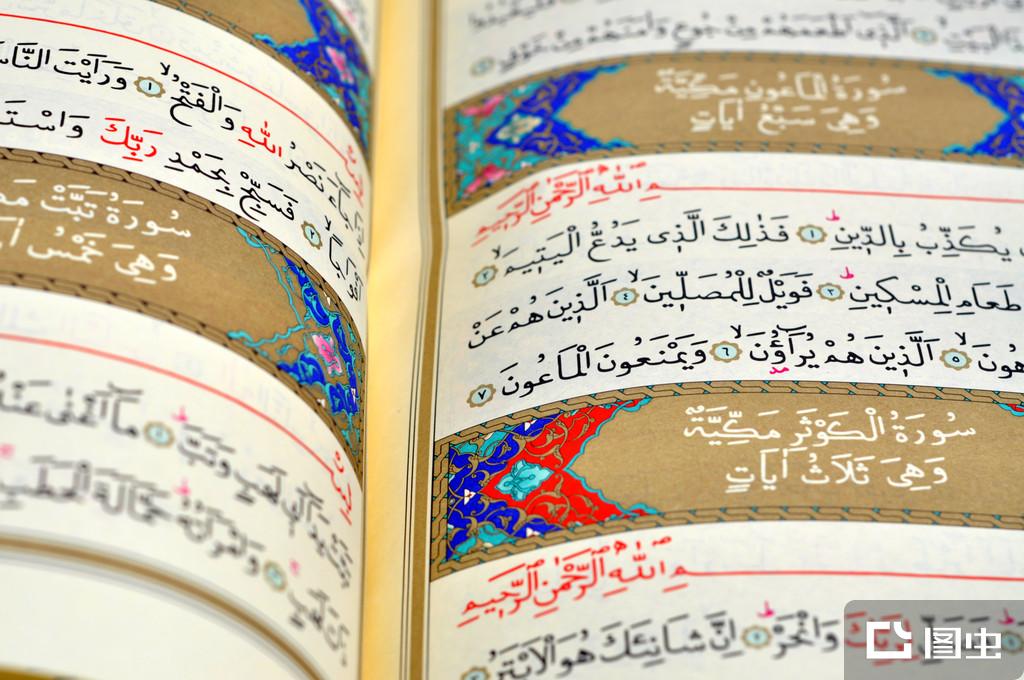
阿拉伯语(阿拉伯语:لغة عربية ),即阿拉伯人的语言,属于亚洲语系闪米特语族内的西南语支,是中东地区阿拉伯国家联盟22个成员国的官方语言,也是全世界八亿多穆斯林的宗教语言,更是世界诸多国际会议必备的工作语言之一。1974年,阿拉伯语被列为联合国的第六种工作语言。以它为母语的人口达2亿多,全
鼠疫是由鼠疫耶尔森菌引起的自然疫源性疾病,我国将其列为法定甲类传染病之首。鼠疫(plague)是鼠疫耶尔森菌(Yersinia pestis)借鼠蚤传播为主的烈性传染病,系广泛流行于野生啮齿类动物间的一种自然疫源性疾病,临床主要表现为高热、淋巴结肿痛、出血倾向、肺部炎症等。鼠疫传染性强,如果不治疗,
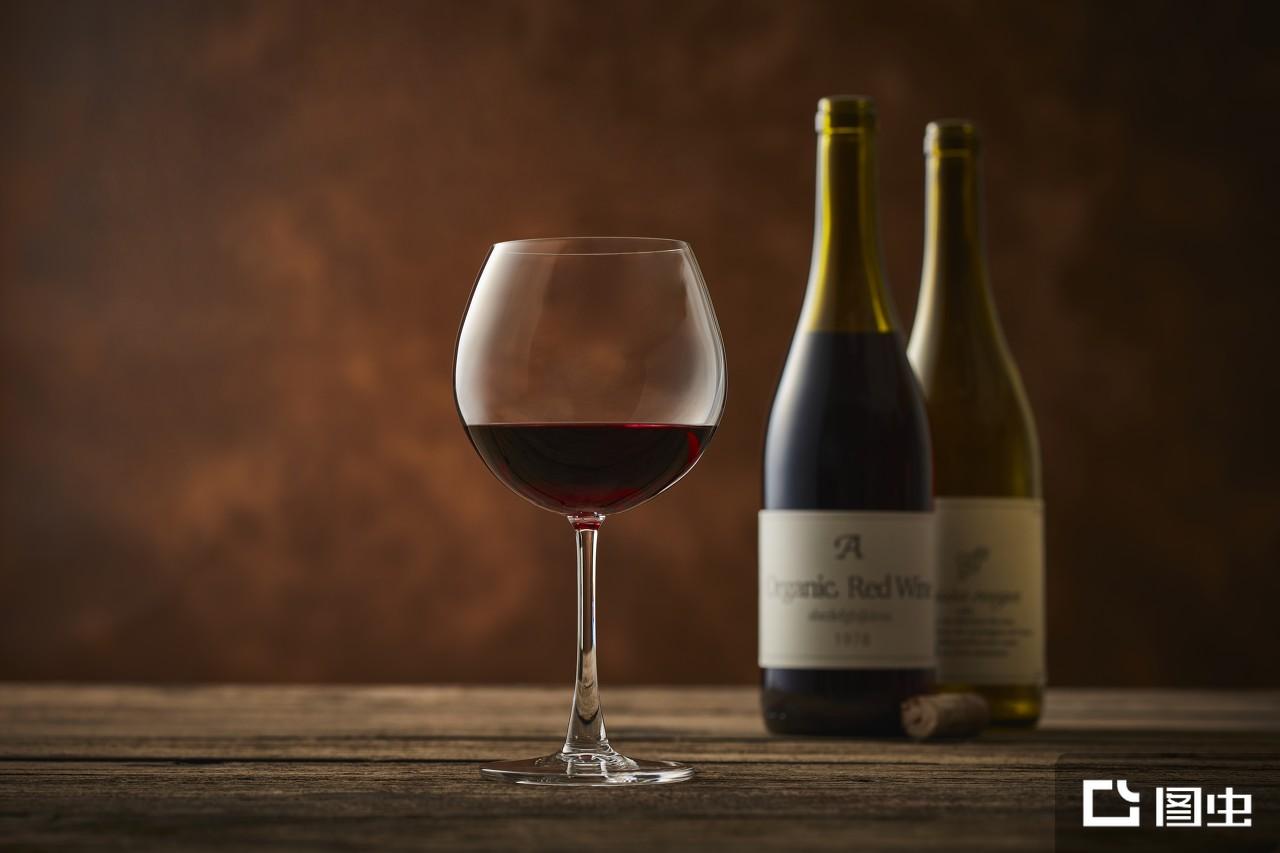
葡萄酒(汉语世界有时以红酒称之)是经过发酵的葡萄或葡萄汁制作而成的酒精饮料。葡萄酒主要由水和酒精(乙醇)组成,但也有芳香化合物、酸、酚类物质、二氧化碳等其他物质。一般葡萄酒中酒精含量7%到16%(体积分数),但在部分特种葡萄酒中,酒精含量可达20%(体积分数)。
小编整理:后凉,是十六国时期吕光建立的政权,该政权的存在时间是386年至403年。后凉政权的创建者吕光,是前秦名将。淝水之战前秦惨败后,原附属于前秦的西部地区纷纷独立,当时称为凉州的张氏也乘机自立,并上表东晋,后凉便是其中之一。淝水之战后,前秦瓦解,吕光据有凉
亲历中国科幻内容介绍本丛书的编辑宗旨不是面面俱到,而是像丛书名字中所陈述的,期望在新思维方面给科幻研究领域一些启迪。阅读中读者一定会发现,无论从各分册或文章的选题还是从研究方法上,本丛书的作者都突破了以往比较单一的文学研究模式,试图以多元视角和方法探索科幻文学。笔者认为,对于科幻这种跨越学科的文学存

尚可名片
这家伙太懒了,什么都没写!
作者